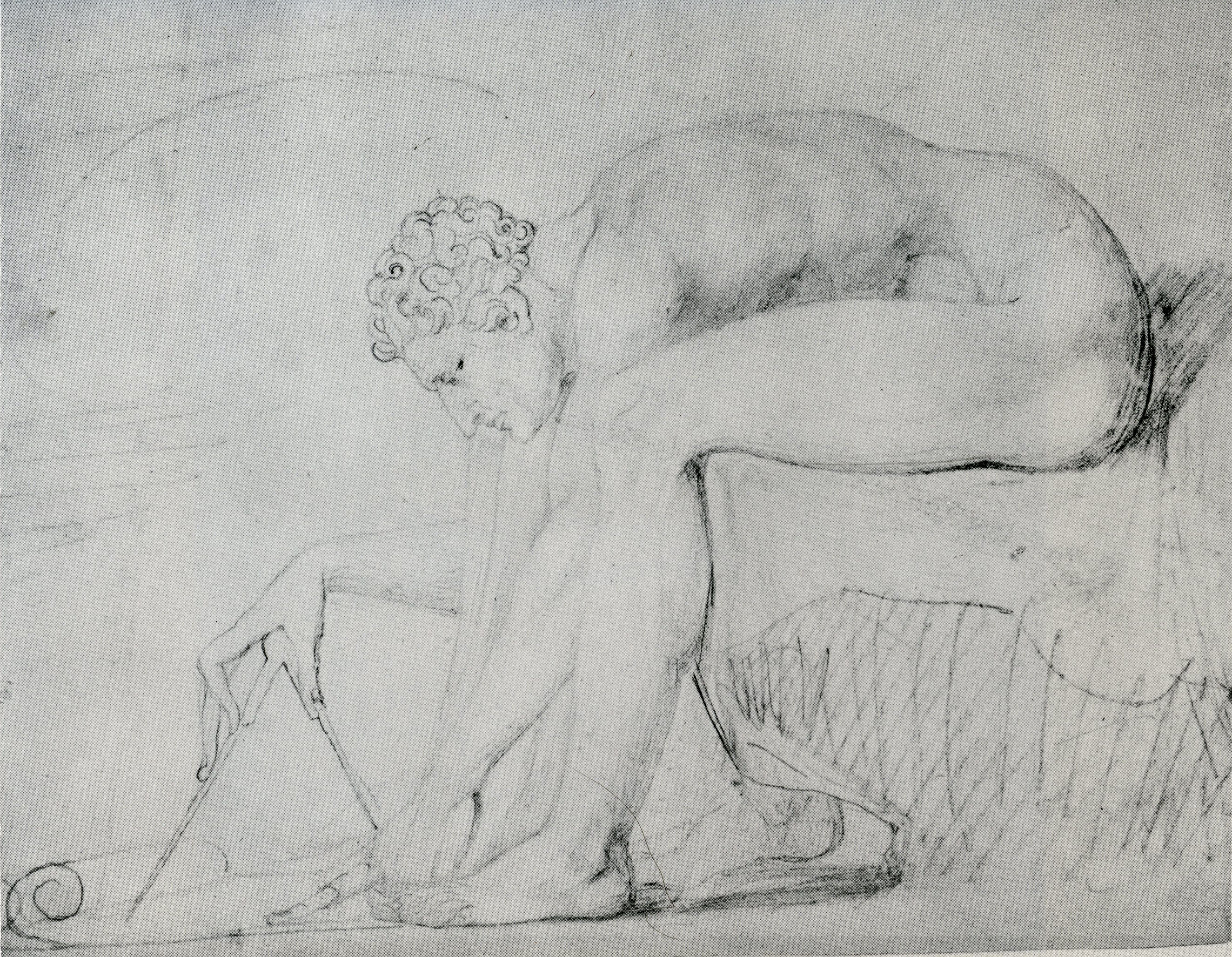
Curatorial Essay & Provenance
Arteefa Master EditionThe masterwork «Newton» (Newton), created in 1795–c. 1805, embodies the quintessential aesthetic and intellectual spirit of the Romanticism & The Sublime era. Old master William Blake displays consummate mastery of light, chiaroscuro, and atmosphere, evoking deep contemplative intimacy and dramatic spatial power.
The original work resides in the permanent collection of Tate Britain, London. Arteefa's archival digital scan was captured in ultra-resolution museum fidelity. The master file has been calibrated for professional fine-art giclée printing, preserving every subtle craquelure fissure and the tactile impasto of original pigment layers.
Romanticism & The Sublime1795–c. 1805
Newton
Newton
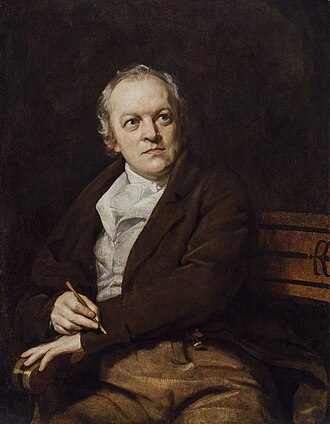
Artist
William Blake
Great Britain•1757–1827
Permanent Collection
Tate Britain, LondonMaster Specifications
Native Resolution:5,200 × 3,980 px
Sensor Matrix:20.6 Megapixels
Print Density:300 DPI Archival
Original Dimensions:46 × 60 cm
Medium & Technique:Color print, ink and watercolor on paper
Color Space:Adobe RGB (1998)
Max Print Scale:A0+ (Up to 150 cm)
Related Masterworks
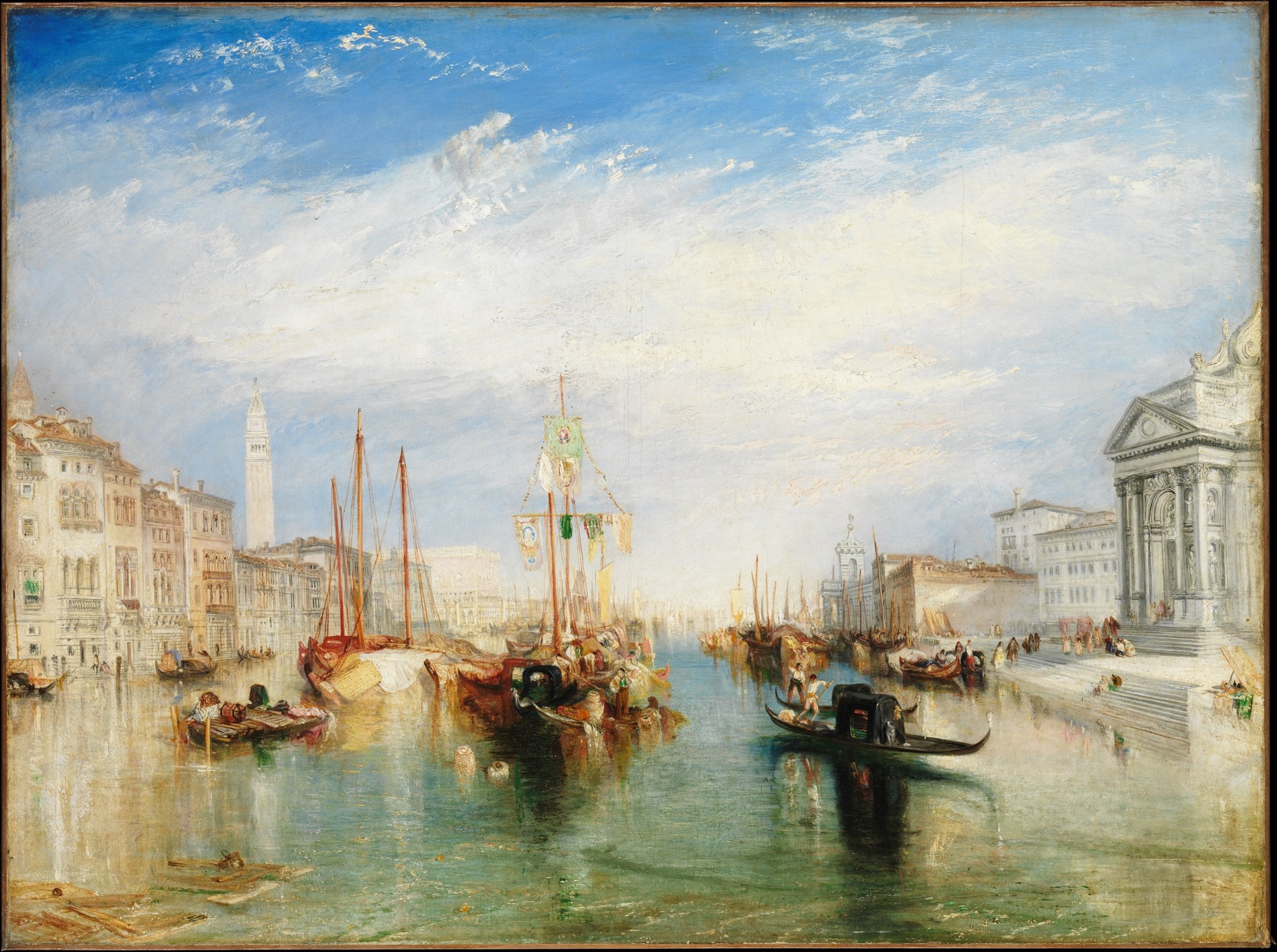
J. M. W. TurnerRomanticism & The Sublime
Venice, from the Porch of Madonna della Salute
Venice, from the Porch of Madonna della Salute
The Metropolitan Museum of Artc. 1835
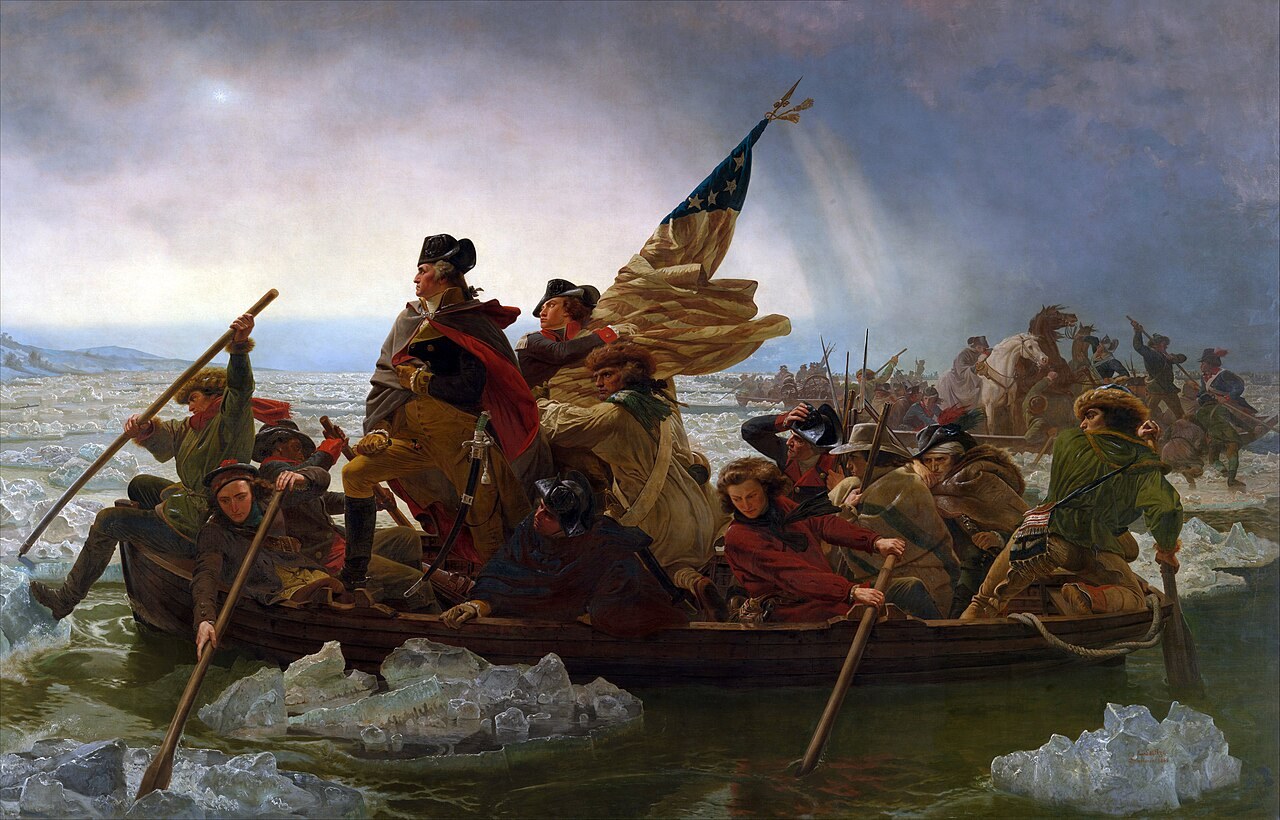
Emanuel LeutzeRomanticism & The Sublime
Washington Crossing the Delaware
Washington Crossing the Delaware
The Metropolitan Museum of Artc. 1851
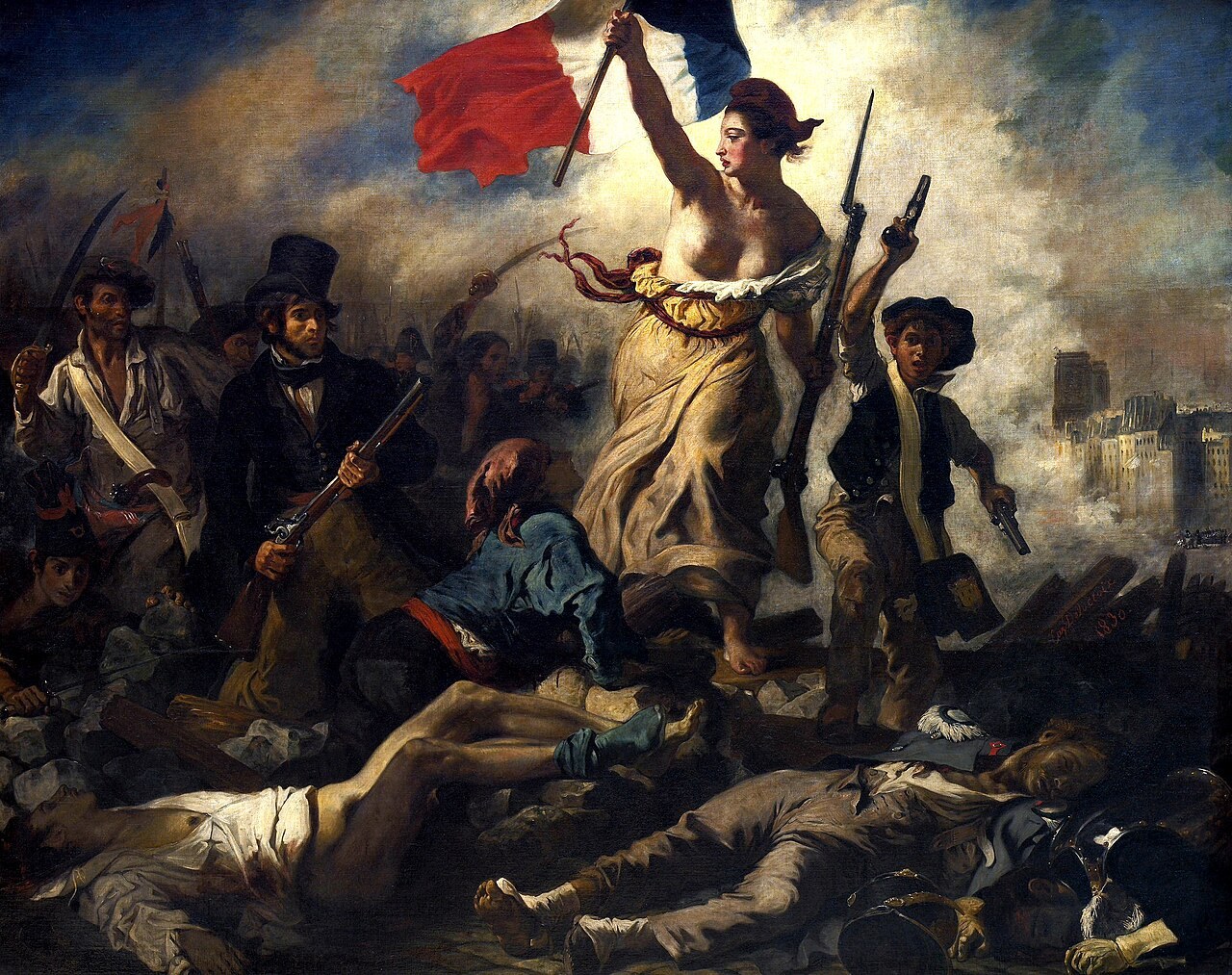
Musée du Louvrec. 1830
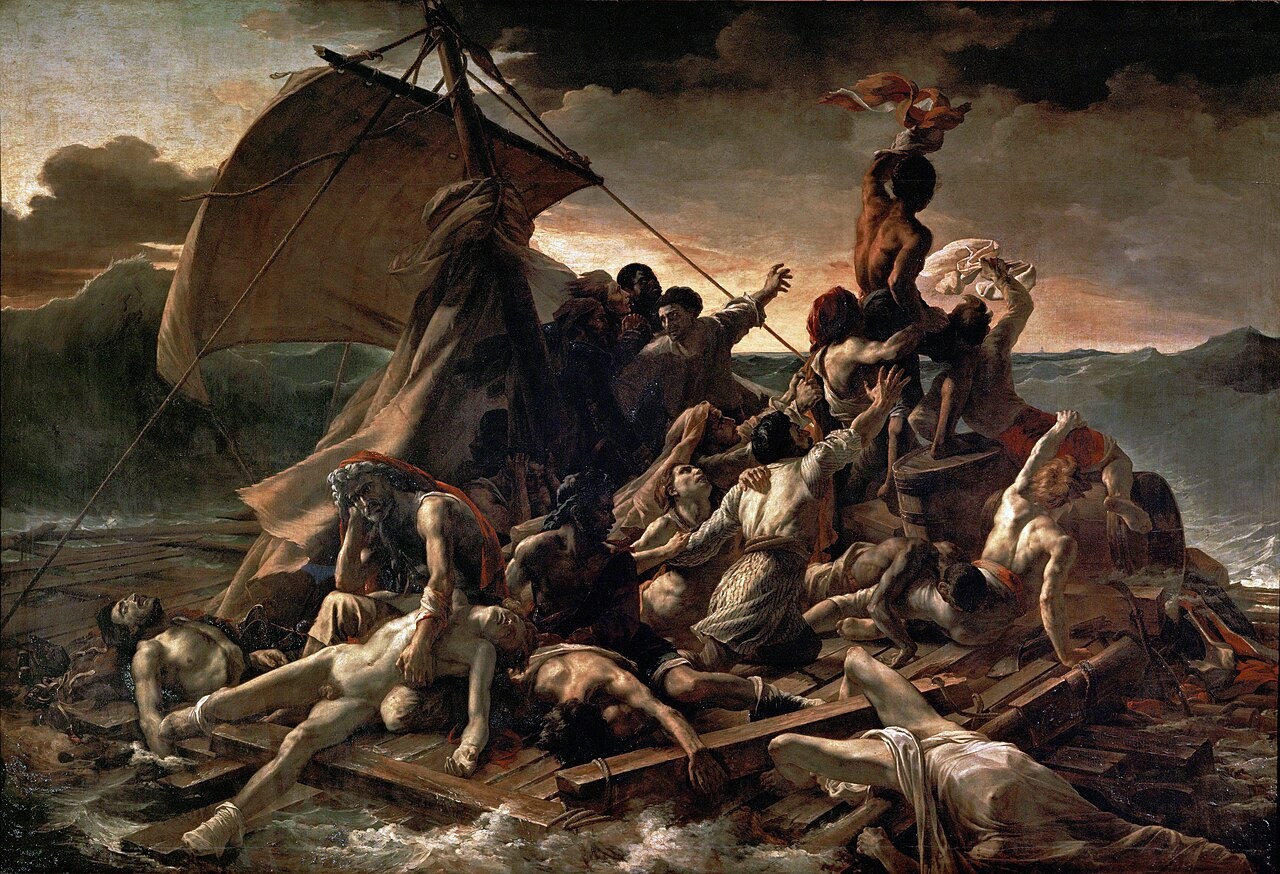


Musée du Louvrec. 1819